Turmeric and Curcumin Explained
What the difference actually is, why absorption matters so much, and how to read a turmeric label.
Turmeric and Curcumin Explained — a JointBrex guide
Turmeric Is Not the Same as Curcumin
Turmeric is the rhizome — the root you buy as a spice. Curcuminoids are a group of compounds within it, of which curcumin is the main one, and they are what most research actually studies.
Raw turmeric root contains only a small percentage of curcuminoids by weight. That is why supplements use extracts rather than ground spice.
How to Read a Turmeric Label
A ratio like 4:1 tells you how much raw plant produced the extract. It says nothing about curcuminoid content.
A standardisation percentage like “95% curcuminoids” tells you how much of the extract is the compounds you care about. That is the more informative number.
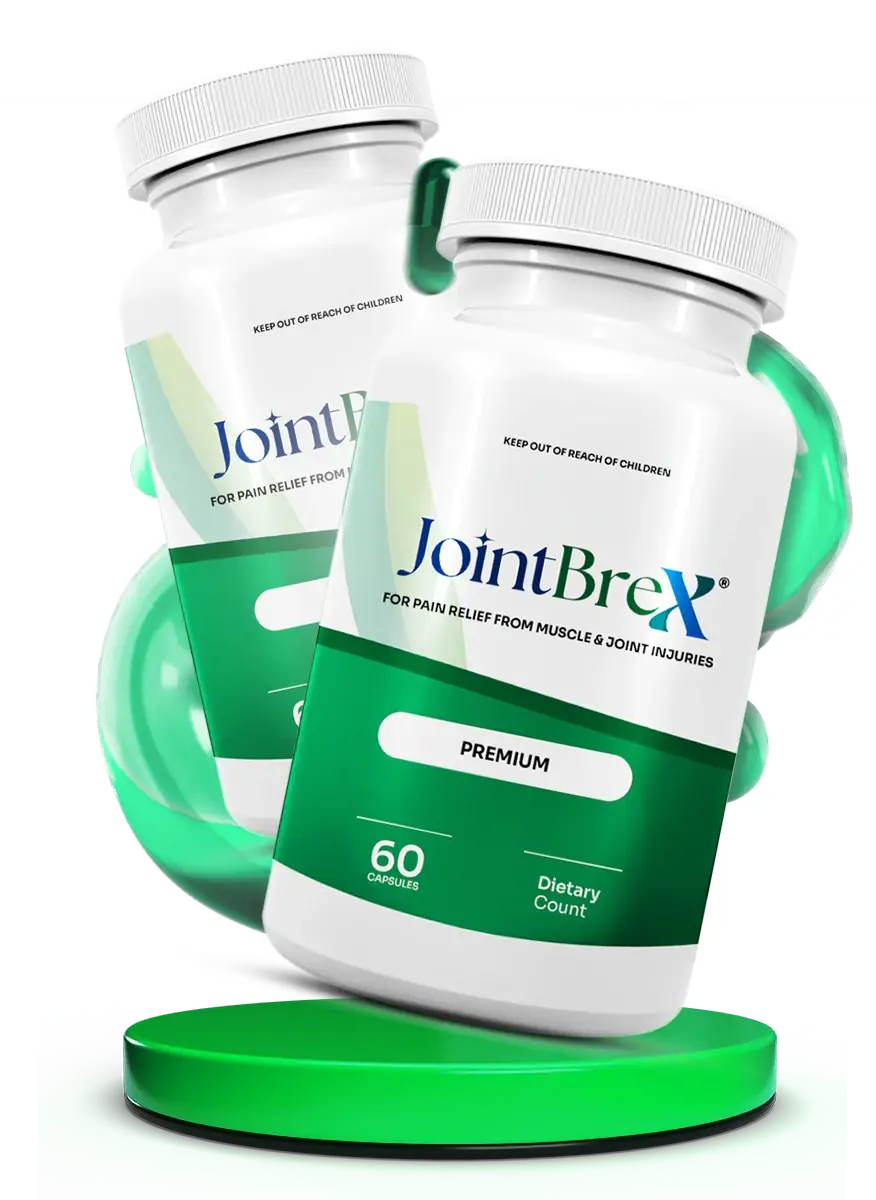
JointBrex lists both: a 4:1 extract at 75 mg and a 95% curcuminoid extract at 30 mg. Being able to see both is more transparency than many turmeric products offer.
The Absorption Problem
Here is the thing most turmeric marketing skips. Curcumin is poorly absorbed. It has low water solubility, is rapidly metabolised in the gut and liver, and is cleared quickly. Swallowing a large amount does not mean a large amount reaches your bloodstream.
This is not a fringe concern. It is one of the best-established facts about the compound and the main practical obstacle to it doing anything.
What piperine does about it
Black pepper extract supplying piperine has been studied specifically for its effect on curcumin bioavailability. That is why a well-formulated turmeric product usually pairs the two, and why BioPerine appears on the JointBrex panel. If a turmeric supplement contains no absorption support at all, that is worth noticing.
Checking a Turmeric Product in Two Minutes
- Is there a standardisation percentage, or only a raw weight?
- Is there any absorption support — piperine, or a specialised delivery form?
- Does the amount bear any relation to research doses, which commonly run into the hundreds of milligrams?
- Is it a proprietary blend? If so you cannot answer any of the above.
Safety Worth Knowing
Turmeric is generally well tolerated, with mild digestive discomfort the most common complaint. Speak to your doctor first if you take blood thinners, since curcumin has been discussed in relation to bleeding risk, or if you have gallbladder problems.
Background reading
More From the JointBrex Blog
Ready to Try JointBrex?
One capsule daily, and 3–6 weeks of consistent use before judging it fairly. The 6-bottle bundle carries the lowest verified per-bottle price and free US shipping.
From $49 per bottle on the 6-bottle bundle, with free US shipping.